
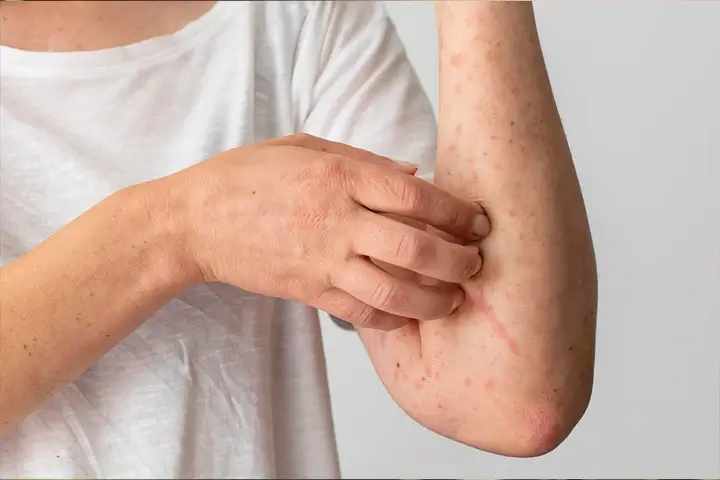
Early Acne Rosacea often starts subtly, which is why many people mistake it for temporary sensitivity or adult acne. Persistent redness across the cheeks, nose, forehead, or chin is usually the first warning sign. Unlike regular acne, rosacea redness may worsen after triggers such as heat, spicy food, stress, or sun exposure. Small visible blood vessels and a warm, stinging sensation on the skin are also common early symptoms.
Another overlooked sign is acne-like bumps that appear without blackheads. These can be confused with breakouts, delaying proper Acne Rosacea Treatment. Some patients also experience dryness, flaking, or eye irritation known as ocular rosacea.
Early treatment is essential because rosacea can progress if ignored. Dermatologists usually recommend gentle skincare, trigger management, and medical therapies to control inflammation. If redness persists beyond a few weeks, professional evaluation is important to prevent long-term skin thickening or sensitivity.
For a detailed guide on diagnosis and treatment options, read more about Acne Rosacea
Timely care not only improves skin appearance but also prevents flare-ups from becoming chronic. If you notice repeated redness or unexplained bumps, seeking early dermatology advice can make a significant difference in long-term skin health.




Write a comment ...